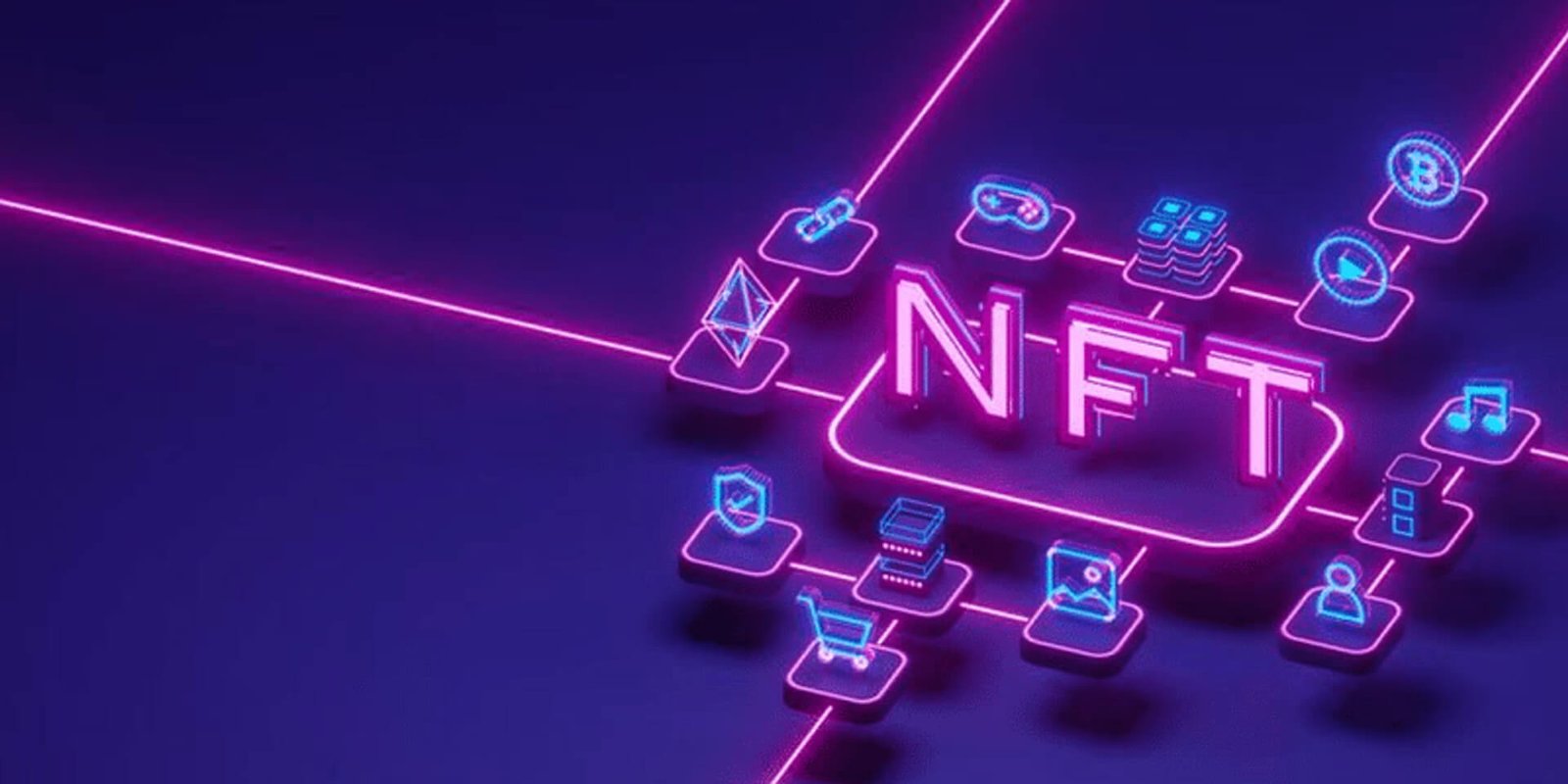

NFTs attach a unique token to a digital object on a blockchain, creating a verifiable record of provenance. The token acts as a certificate, while metadata and standards describe identity and transferability. Ownership is a function of immutable ledgers, not the asset itself. Real-world rights and custodial practices may diverge from on-chain claims. The result depends on platform governance and royalties, leaving ambiguity about what ownership entails as one moves to interpret further.
What NFTs Are and How They Prove Ownership
Non-fungible tokens (NFTs) are cryptographically unique digital tokens stored on a blockchain that nominally certify ownership of a specific asset or entry, rather than granting broad access or usage rights.
The mechanism emphasizes NFT foundations, ownership proofs, provenance tracking, and platform standards, while maintaining skepticism about implied rights.
Such tokens enable verifiable authenticity, but independence from traditional property laws remains contested within freedom-focused discourse.
How NFT Tokens Map to Digital Assets
NFT tokens map to digital assets by serving as cryptographic identifiers recorded on a blockchain that reference a specific asset entry.
The mapping is technical and explicit, not inherently descriptive of custody or value, and remains susceptible to ambiguity in practice.
Observers should assess provenance mechanisms and market dynamics for unrelated concept, recognizing speculative risk without assuming universal digital-rights alignment or immutable guarantees.
Rights, Royalties, and Provenance in NFTs
The relationship between tokenized assets and rights, royalties, and provenance requires careful scrutiny beyond their cryptographic mapping.
This assessment treats metadata, license terms, and transferability as governance constructs rather than guaranteed guarantees, highlighting potential misalignment with creator intent.
Unrelated topic and random speculation may distract evaluators; rigorous evaluation demands verifiable provenance, transparent royalty mechanisms, and skeptical scrutiny of contracts that claim automatic enforcement.
NFT Platforms, Standards, and Verifying Provenance
Platforms and standards define how digital assets are represented, transferred, and verified across ecosystems, yet the alignment between technical specifications and actual provenance remains contested. NFT platforms optimize scalability and interoperability, while verifiable provenance hinges on trusted metadata and immutable records. Critics note fragmented ecosystems, opaque APIs, and governance gaps, with unrelated topics and irrelevant themes occasionally seeping into assessments, threatening durable ownership claims and user autonomy.
See also: Benefits of Conversational Interfaces
Conclusion
In sum, NFTs function as cryptographic receipts that assert linkage between a token and a digital asset, not an absolute guarantee of possession. Provenance rests on immutable ledgers, yet real-world rights and custodian practices can diverge from on-chain assertions. While royalties and governance shape incentives, transferability remains a contractual, platform-dependent construct. Thus, ownership emerges as a nuanced, contingent claim—fostered by technology, tempered by governance, and limited by external conventions. Skepticism remains warranted about true control beyond tokenized representations.