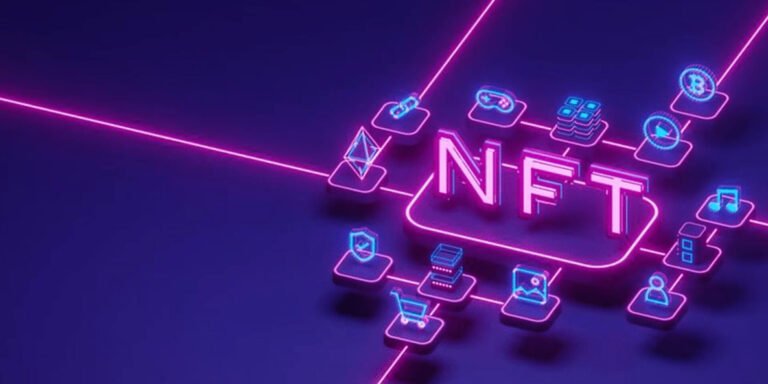

Play-to-earn (P2E) ecosystems position cryptocurrency as the core mechanism for value exchange within games. Tokens fuel in-game economies, enable governance, and reward participation through minting, staking, and liquidity provisions. NFTs provide verifiable ownership of unique assets, linking game economies to broader markets. Yet volatility, impermanent loss, and regulatory scrutiny complicate risk management. The balance of incentives and controls will determine whether these systems sustain long-term engagement or face systemic constraints that require careful scrutiny.
What Play-to-Earn Is and Why It Matters
Play-to-Earn (P2E) describes a model in which participants earn cryptocurrency or in-game assets by contributing to a game’s ecosystem, such as through gameplay, development, or strategic decision-making. This framework motivates engagement but introduces play to earn challenges, including revenue volatility and unequal access. Analysts debunk tokenomics myths, emphasizing transparent token supply, governance, and measurable outcomes over hype.
The Core Economy: Tokens, Minting, and NFTs in Games
The core economy in play-to-earn games centers on three interlinked components: fungible tokens that enable in-game economies, minting mechanisms that control supply and rarity, and non-fungible tokens that represent unique assets and confer verifiable ownership.
This framework fosters token circulation, enabling liquidity dynamics and price signals, while NFT governance guides asset provenance, stewardship, and adaptive policy within digital ecosystems.
How Players Earn: Staking, Liquidity, and Real-World Value
Staking, liquidity provision, and the conversion of in-game value into real-world assets collectively define how players monetize participation in play-to-earn ecosystems.
This analysis examines staking dynamics and liquidity pools as mechanisms that channel rewards, price discovery, and risk.
Data indicate variable yields, impermanent loss considerations, and cross-platform value transfer, shaping incentives for sustained engagement and capital circulation within decentralized gaming ecosystems.
Regulation, Risks, and Practical Tips for P2E Communities
Regulatory landscapes surrounding play-to-earn ecosystems present a complex mix of compliance requirements, jurisdictional variance, and evolving enforcement norms that can directly affect project viability and participant protections.
This analysis evaluates regulatory compliance frameworks, consumer protections measures, and disclosure standards, highlighting liquidity risk and market volatility as central risk factors.
Communities should implement transparent governance, risk dashboards, and conservative liquidity buffers to mitigate exposure.
See also: Benefits of Conversational Interfaces
Conclusion
In sum, the play-to-earn model delivers on its promise of monetized gaming—ironically, through complex token economics that resemble traditional markets more than cartoony quests. Data show steady token flows, NFT-driven provenance, and staking-as-salary dynamics, all while volatility and regulatory risk loom like mischievous endgame bosses. Practitioners applaud transparency and risk controls, yet the wealth underline remains: value is earned by models, not by morality. The irony: players chase coins; coins chase governance.